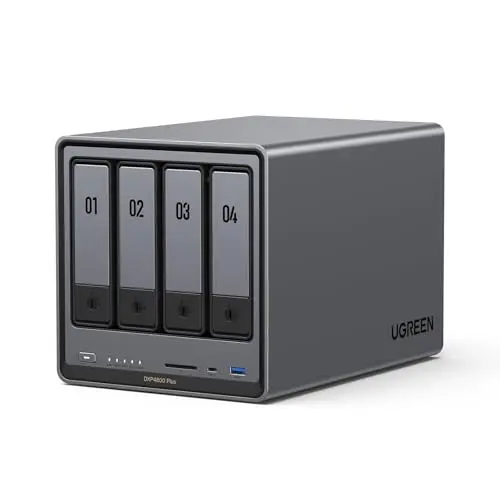
Plex NAS Content: Why Your Search Led to NetWork Fashion
You've landed here, likely searching for robust solutions for your home media server, specifically delving into the world of network attached storage for Plex. Perhaps you typed "network for Plex storage" or "best network attached storage for Plex," and somewhere in the search results, the name "NetWork" appeared. If this led you to believe there was a specific tech product called "NetWork NAS" or a quirky fashion brand collaboration with Plex, rest assured, we're here to clarify!
The intriguing convergence of your tech-oriented search with "NetWork Fashion" isn't a glitch in the matrix but rather a fascinating case of nomenclature. While you're on the hunt for cutting-edge digital storage solutions to power your Plex Media Server, "NetWork" is, in fact, Türkiye’s leading luxury fashion apparel brand. They excel in crafting sophisticated clothing collections, not hard drives or server racks. The commonality lies solely in the word "network," a term foundational to both digital infrastructure and, conceptually, to social and fashion connections. This article will unravel the mystery, guide you through the essentials of network attached storage for Plex, and briefly touch upon the distinct identity of the NetWork fashion brand.
Unraveling the 'Network' Misdirection: From Storage Solutions to Style Statements
The term "network" is wonderfully versatile, yet occasionally confusing. In the realm of technology, it refers to interconnected systems allowing data exchange, like the "network" in "network attached storage." This is the context you're primarily interested in: creating a resilient, accessible hub for all your digital media, powered by a Plex server. A network attached storage for Plex transforms how you manage, access, and stream your movies, TV shows, music, and photos.
On the other hand, NetWork Brand: Discover Türkiye's Leading Luxury Apparel signifies a different kind of network entirely – a network of style, design, and sophisticated consumer experience. As Türkiye’s preeminent luxury fashion apparel brand, NetWork offers discerning customers exquisite collections that define contemporary elegance. From timeless classics to the latest trends, their focus is entirely on wearable art and lifestyle, far removed from the gigabytes and RAID arrays we're about to discuss. This accidental overlap serves as a good reminder of how important context is when navigating information, both online and offline.
Now that we've cleared up the "NetWork" fashion detour, let's pivot back to your primary mission: building the ultimate media empire with Plex and a robust NAS.
Why a Network Attached Storage (NAS) is Essential for Your Plex Server
For anyone serious about their digital media collection, a dedicated network attached storage for Plex is not just an upgrade; it's a fundamental necessity. While you could technically run Plex on an old computer, a NAS offers a suite of advantages that elevate your media experience to professional levels of efficiency and reliability.
- Centralized Storage & Access: Imagine all your media – movies, TV shows, music, family photos, and home videos – organized in one central location. A NAS provides this hub, accessible from any device on your network, or even remotely over the internet, thanks to Plex.
- 24/7 Availability: Unlike a desktop computer that might be shut down or used for other tasks, a NAS is designed for continuous operation. This means your Plex server is always online, always ready to stream your content whenever you want it.
- Scalability: Your media library is always growing. A good NAS offers multiple drive bays, allowing you to expand your storage capacity as needed. You can start with a couple of drives and add more later, or upgrade to larger drives without rebuilding your entire system.
- Data Redundancy (RAID): This is a critical feature for protecting your precious media. Many NAS devices support RAID configurations (e.g., RAID 1, RAID 5, RAID 6), which distribute data across multiple drives in such a way that if one drive fails, your data remains intact and recoverable. This peace of mind is invaluable.
- Dedicated Hardware for Media: A NAS is optimized for storage, file serving, and often, media transcoding. This means it's less prone to performance issues that might arise when a general-purpose computer tries to juggle multiple tasks while also streaming high-bitrate video.
- Energy Efficiency: Compared to leaving a desktop PC running all the time, most NAS devices are remarkably power-efficient, designed to operate continuously with minimal energy consumption.
- Multi-user & Multi-stream Capability: A well-configured network attached storage for Plex can effortlessly handle multiple users streaming different content simultaneously, even if some of that content requires real-time transcoding.
In essence, integrating a NAS into your Plex setup means saying goodbye to fragmented collections, buffering issues, and data loss anxieties, and hello to seamless, reliable, and accessible media enjoyment.
Key Considerations When Choosing a Network Attached Storage for Plex
Selecting the right network attached storage for Plex involves more than just picking the cheapest option. It requires a thoughtful assessment of your current needs, future plans, and budget. Here are the crucial factors to weigh:
Processor (CPU) Power for Transcoding
This is arguably the most important specification for Plex users. Transcoding is the process of converting media files on-the-fly to a format or bitrate compatible with the playback device and network conditions. If your NAS has a weak CPU, multiple concurrent streams or high-bitrate 4K content can lead to buffering. Look for a NAS with a processor that supports hardware transcoding (e.g., Intel Celeron, Pentium, or Core i3/i5 with Intel Quick Sync Video). The more powerful the CPU, the more simultaneous transcodes it can handle without breaking a sweat.
RAM (Random Access Memory)
While less critical than the CPU, sufficient RAM (4GB-8GB or more) ensures smooth operation, especially if you plan to run other services on your NAS besides Plex, or if your Plex library is very large with extensive metadata. Some NAS models allow for RAM upgrades.
Number of Drive Bays & Storage Capacity
Consider how much storage you need now and how much you anticipate needing in the next 3-5 years. NAS devices come with 1, 2, 4, 6, 8, or even more drive bays. More bays mean more storage potential and greater flexibility for RAID configurations, which protect your data from drive failure. For serious Plex users, a 4-bay or higher NAS is often recommended to balance capacity and data redundancy.
Network Connectivity
Gigabit Ethernet (1GbE) is the standard, but for large files or multiple simultaneous high-bandwidth streams, a NAS with 2.5GbE, 5GbE, or even 10GbE ports can significantly improve network performance. Ensure your home network infrastructure (router, switches, client devices) can also support these higher speeds to benefit from them.
Operating System and Software Features
Leading NAS brands like Synology and QNAP offer sophisticated operating systems with app stores. Ensure the NAS OS supports the Plex Media Server application directly. Look for features like user management, cloud syncing, backup solutions, and virtualization capabilities if you plan to use your NAS for more than just Plex.
Budget
NAS devices range from a few hundred dollars for entry-level models to thousands for enterprise-grade systems. Remember to factor in the cost of hard drives (HDDs) or solid-state drives (SSDs), which are typically sold separately. Investing a bit more upfront often pays dividends in performance and longevity.
By carefully evaluating these factors, you can select a network attached storage for Plex that perfectly matches your media consumption habits and budget, ensuring years of uninterrupted entertainment.
Setting Up and Optimizing Your Plex Media Server on a NAS
Once you've chosen your ideal network attached storage for Plex, the next step is setting it up and optimizing it for peak performance. While exact steps vary slightly between NAS brands (Synology DSM vs. QNAP QTS, for example), the general process and optimization tips remain consistent:
- Install Hard Drives: Securely install your chosen HDDs or SSDs into the NAS bays.
- Initialize and Configure RAID: Power on the NAS and access its web-based management interface. Follow the setup wizard to initialize your drives and configure a RAID array (e.g., RAID 5 for a 4-bay NAS for a good balance of capacity and redundancy).
- Install Plex Media Server: Navigate to your NAS's app store or package center and install the Plex Media Server application. Some NAS devices have a dedicated Plex package, others might require manual installation.
- Create Media Libraries: Open the Plex web interface, sign in to your Plex account, and create libraries (Movies, TV Shows, Music, Photos). Point Plex to the shared folders on your NAS where your media files are stored.
- Optimize Plex Settings:
- Transcoder Settings: Enable hardware acceleration if your NAS supports it (Settings > Transcoder > Show Advanced > Use hardware acceleration when available). This significantly offloads transcoding from the CPU to a dedicated chip.
- Library Scans: Configure automatic library scans (e.g., "Scan my library periodically" and "Scan my library automatically when changes to my monitored folders are detected") to keep your content up-to-date.
- Remote Access: Ensure remote access is properly configured (Settings > Remote Access) so you can stream your content when you're away from home.
- Metadata Agent Prioritization: Adjust your metadata agents to pull information from your preferred sources for accurate movie and TV show details.
- Organize Your Media: Proper file and folder naming conventions are crucial for Plex to correctly identify and categorize your media. Follow Plex's naming guidelines rigorously for the best results.
With a properly configured network attached storage for Plex, you'll unlock a world of seamless media streaming, ensuring your entertainment is always just a click away, whether you're at home or on the go.
Conclusion
Your search for "network attached storage for Plex" undoubtedly brought you here, and hopefully, we've successfully guided you through the technical intricacies of building a robust home media solution while also clarifying the fascinating case of the "NetWork Fashion" brand. While NetWork the fashion brand is busy defining luxury apparel trends and creating sophisticated collections, your network attached storage for Plex is quietly working behind the scenes, ensuring your digital entertainment is perfectly organized, readily accessible, and flawlessly streamed.
Understanding the distinctions between a powerful Beyond Storage: Exploring NetWork Clothing & Collections and a leading luxury fashion brand is key to navigating the diverse landscape of information today. Ultimately, whether you're curating a stylish wardrobe or an extensive media library, both require careful selection, thoughtful organization, and an appreciation for quality. Invest wisely in your digital infrastructure, and enjoy the fruits of a perfectly managed Plex Media Server for years to come.