Understanding the "NetWork" Conundrum: Fashion vs. Function
If your search for "network attached storage for plex" led you to pages discussing high fashion and luxury apparel, you've stumbled upon a common digital quirk. The term "NetWork" – spelled as a single, capitalized word – is the name of a prominent Turkish luxury fashion brand. Their sophisticated collections, from elegant evening wear to stylish everyday attire, represent a completely different realm from hard drives and data servers. Indeed, as confirmed by our reference context, much of the online information about "NetWork" pertains exclusively to this esteemed apparel brand.
However, your core interest lies in the powerful synergy between a *network attached storage* (NAS) device and Plex, transforming how you manage and enjoy your digital media collections. This article will navigate *beyond storage* in the traditional sense, diving deep into how a robust network solution can revolutionize your personal media library. While we acknowledge the distinct identity of the
NetWork Brand: Discover Türkiye's Leading Luxury Apparel, our focus is squarely on the technological "network" that powers your digital experience. For those curious about the search engine phenomenon itself, we recommend reading
Plex NAS Content: Why Your Search Led to NetWork Fashion. Now, let's explore the true potential of a NAS for Plex.
Why a Network Attached Storage for Plex is a Game-Changer
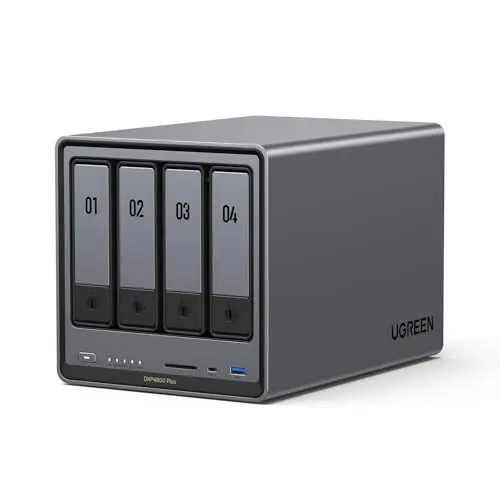
At its heart, a NAS is a dedicated file storage device connected to your home or office network. Unlike direct-attached storage (DAS) like an external hard drive, a NAS is accessible by multiple users and devices over the network. When combined with Plex, a powerful media server software, a NAS becomes the ultimate hub for your movies, TV shows, music, and photos.
Plex organizes your media library beautifully, pulling in metadata, cover art, and synopses, presenting it through elegant apps on virtually any device – from your smart TV and gaming console to your smartphone and tablet. A dedicated
network attached storage for Plex offers several significant advantages over using a desktop computer:
- 24/7 Availability: Unlike a desktop, a NAS is designed to run continuously with minimal power consumption, ensuring your Plex library is always online and ready to stream.
- Centralized Access: All your media is stored in one location, accessible by any authorized device on your network, or even remotely via Plex Relay or port forwarding.
- Scalability: Most NAS units come with multiple drive bays, allowing you to expand your storage capacity as your media collection grows, often supporting RAID configurations for data redundancy.
- Reliability and Data Protection: Features like RAID (Redundant Array of Independent Disks) protect your valuable media from single drive failures, offering peace of mind.
- Reduced Noise and Power Consumption: Compared to a full desktop PC, NAS devices are typically quieter and more energy-efficient.
- Dedicated Performance: A NAS dedicated to Plex ensures that other tasks on your main computer don't interfere with your streaming experience.
For anyone serious about their digital media collection, investing in a robust
network attached storage for Plex is not just about expanding storage; it's about building a resilient, accessible, and high-performance media ecosystem that truly goes "beyond storage."
Key Considerations for Choosing Your Ideal Plex NAS
Selecting the right NAS for your Plex server requires careful thought, as different models offer varying levels of performance and features. Here are the crucial factors to consider:
- Processor (CPU): This is arguably the most critical component for Plex, especially if you plan to transcode media. Transcoding is the process of converting media files on-the-fly to a format compatible with your playback device.
- Direct Play: If your media format is already compatible with the playback device, the NAS merely serves the file, requiring minimal CPU power.
- Direct Stream: Similar to direct play, but might re-wrap the audio/video container without re-encoding, still low CPU.
- Transcoding: This is CPU-intensive. For 4K HDR transcoding, you'll need a powerful CPU (e.g., Intel Celeron J4125 or better, i3/i5/i7 for multiple 4K transcodes, or a dedicated GPU for hardware transcoding). Look for Intel CPUs with Quick Sync Video for excellent hardware transcoding capabilities. ARM-based CPUs are generally less powerful for transcoding but are fine for direct play/stream.
- RAM (Memory): While Plex itself doesn't demand huge amounts of RAM, having at least 4GB is recommended. 8GB or more is ideal, especially if you plan to run other applications on your NAS or handle multiple concurrent streams.
- Drive Bays and Capacity:
- Number of Bays: NAS units typically range from 1-bay to 12-bay or more. For Plex, a 2-bay NAS is a good starting point for redundancy (RAID 1), but 4-bay or more offers greater flexibility for storage expansion and different RAID levels (e.g., RAID 5 or 6).
- Hard Drives: Opt for NAS-specific drives (e.g., Western Digital Red, Seagate IronWolf) which are designed for 24/7 operation and vibration resistance. Choose the largest capacity drives you can afford.
- SSD Cache: Some high-end NAS models support SSD caching, which can improve the responsiveness of your Plex server, especially for metadata operations, though it's not strictly necessary for most users.
- Network Connectivity: Gigabit Ethernet is standard and sufficient for most 1080p and even some 4K streaming. For multiple simultaneous 4K streams or extremely large file transfers, consider a NAS with 2.5GbE or 10GbE ports, assuming your network infrastructure supports it.
- Operating System and Software Features: Major NAS brands like Synology (DSM) and QNAP (QTS) offer intuitive operating systems with app stores, making Plex installation straightforward. Look for features like easy remote access setup, robust backup options, and container support (e.g., Docker) for advanced users.
- Budget: NAS devices vary widely in price. Factor in not just the cost of the unit itself but also the hard drives, which often constitute a significant portion of the total investment.
Actionable Tip: Before purchasing, identify how many simultaneous streams you anticipate, the resolution of your media (mostly 1080p or significant 4K content?), and whether you expect heavy transcoding. This will guide your CPU and RAM choices.
Setting Up Your Plex NAS: Tips for Optimal Performance
Once you've chosen your
network attached storage for Plex, setting it up for optimal performance is crucial.
- Install and Configure Drives:
- Populate your NAS with chosen hard drives.
- Set up a RAID configuration (e.g., RAID 1 for 2-bay, RAID 5 for 3+ bays) to protect against drive failure. RAID is not a backup, so external backups are still recommended for critical data.
- Install Plex Media Server:
- Most NAS operating systems have a package center or app store where you can directly download and install Plex Media Server.
- Follow the on-screen instructions to set up your Plex account and point it to your media folders.
- Optimize Plex Settings:
- Transcoder Settings: In Plex Server settings, under "Transcoder," enable "Use hardware-accelerated video encoding" if your NAS CPU supports it. This vastly improves transcoding performance.
- Transcoder Temporary Directory: If your NAS has an SSD or a faster volume, consider setting the transcoder temporary directory there. Otherwise, leave it on a volume with plenty of space.
- Remote Access: Configure remote access if you want to stream your media when away from home. Ensure your router has port forwarding set up for Plex (default port 32400) or rely on Plex Relay for easier but bandwidth-limited access.
- Organize Your Media: Proper media organization is vital for Plex to correctly identify and pull metadata.
- For Movies:
Movies/Movie Title (Year)/Movie Title (Year).ext
- For TV Shows:
TV Shows/Show Name/Season XX/Show Name - SXXEXX - Episode Title.ext
- Network Optimization:
- Ensure your NAS is connected via a wired Ethernet connection to your router or switch for maximum bandwidth and stability.
- For 4K content, ensure your entire network (router, switches, client devices) supports Gigabit Ethernet or better.
Insight: Many users overlook the importance of a clean and consistent media naming convention. Spending a bit of time upfront to organize your files will save you countless headaches with missing metadata later on. Tools like FileBot can automate this process.
The Synergies: Maximizing Your Digital Lifestyle
Beyond simply serving media, a NAS with Plex offers a gateway to a truly integrated digital lifestyle. Your
network attached storage for Plex can become the central repository for all your family's digital assets – from cherished photo albums to important documents, all accessible and protected.
Consider these extended benefits:
*
Personal Cloud: Many NAS devices come with built-in cloud services, allowing you to sync files from your computers and mobile devices, creating a personal, private cloud that you control.
*
Backup Destination: A NAS is an excellent target for backups from all your other devices. Implement a "3-2-1 backup strategy": 3 copies of your data, 2 on different media types, and 1 offsite. Your NAS can handle two of those copies.
*
Security Camera Surveillance: Many NAS models offer surveillance station capabilities, allowing you to connect IP cameras and record footage directly to your NAS, serving as a comprehensive home security hub.
*
Data Archiving: Preserve your digital legacy – old family videos, important correspondence, academic work – in a secure and organized manner on your NAS for future generations.
The capabilities of a modern NAS extend far beyond basic file storage. It transforms into a versatile home server, intelligently managing your digital "collections" and empowering you to control your data.
Conclusion
The journey from a basic hard drive to a sophisticated
network attached storage for Plex represents a significant leap in managing your digital life. While the "NetWork" brand name might initially lead some searchers to a world of haute couture, the true "network" we've explored here is about robust technology empowering unparalleled access to your personal media collections. By carefully considering CPU, RAM, storage capacity, and network connectivity, you can build a Plex NAS that delivers seamless, high-performance streaming and goes "beyond storage" to become the cornerstone of your digital entertainment and data management. Embrace the power of a dedicated media server and unlock the full potential of your cherished digital content.